
What to Expect from Therapy: Your Journey with CBT
What to Expect from Therapy: Your Journey with CBT
By Marian Hassan, Co-Founder of MindHealth
Book free initial consultation
21st January 2026
Starting therapy can feel like a big step. You might feel nervous, hopeful, or unsure about what to expect. As accredited therapists, weunderstand that reaching out for support takes courage, and we’re here to make the process as clear, collaborative, and supportive as possible.
Your Free Introductory Call
Before starting therapy, we offer a free 15–20 minute introductory call. This is an opportunity for you to speak with one of our therapists, ask questions, and get a sense of which type of therapy is best suited to you. There’s no obligation to book a session afterwards — it’s simply a chance to connect, understand your needs, and discuss how therapy could help.
Understanding the First Steps
Cognitive Behavioural Therapy (CBT) begins with understanding you — your current challenges, what has brought you to therapy,and what you hope to change. In the first few sessions, your therapist will take time to listen, learn about your experiences, and help you feel comfortable sharing at your own pace.
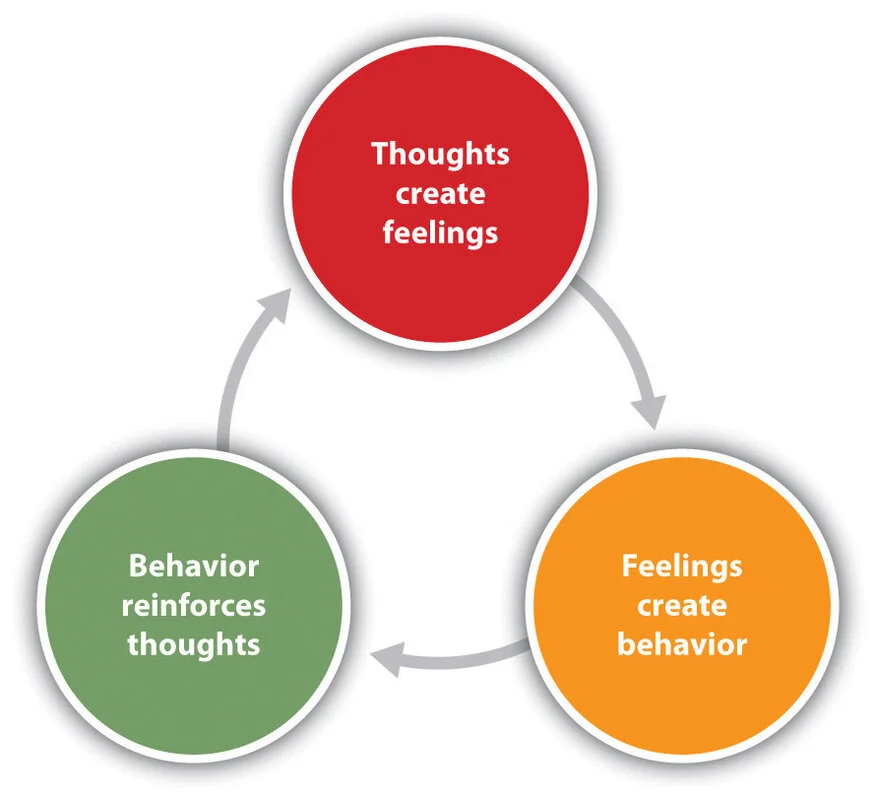
Together, you’ll begin to identify patterns in your thoughts, feelings, and behaviours. Understanding how these connect is animportant first step in creating positive and lasting change.
How CBT Works
While we offer several therapeutic modalities — including EMDR, Couples Therapy, Narrative Exposure Therapy (NET), Compassion Focused Therapy (CFT), and Acceptance and Commitment Therapy (ACT) — CBT is our main area of specialism.
CBT is a structured, evidence-based therapy that focuses on the connection between how we think, feel, and act. It helps you develop practical tools to manage difficult emotions, reduce anxiety, challenge unhelpful thinking patterns, and build confidence and resilience.
Your therapist will work collaboratively with you, setting clear goals and focusing on strategies that are relevant to your needs. You may be encouraged to practise some of these techniques between sessions, helping you apply what you learn in therapy to everyday life.
A Personal and Collaborative Approach
Every person’s journey in CBT is unique. Your therapist willtailor the sessions to suit your individual circumstances, values, and goals. The focus is always on you — your pace, your priorities, and your growth.
CBT is not about quick fixes. It’s about developing an understanding, insight, and practical skills that help you make sustainable improvements in your wellbeing.
What You Can Expect to Gain
As therapy progresses, many people notice they feel calmer, more confident, and better able to manage challenges. You may find that you respond to situations differently, feel more in control, and have a clearer sense of direction.
CBT provides you with tools and strategies that can continue to support you long after therapy has ended.
What Your Therapist Expects from You
The relationship between you and your therapist plays an important role in encouraging progress. Your therapist will always value openness and honesty. Share what’s working for you in therapy and what isn’t —we welcome feedback and use it to shape the sessions to best meet your needs.
As with all evidence-based therapies, consistent attendance and engaging with between-session practice tasks can make a big difference in helping you get the most out of therapy.
Taking the First Step
Beginning therapy is an important act of self-care. Our qualified therapists provide a professional, compassionate, and evidence-based service designed to help you move towards lasting change.
If you’re thinking about starting therapy or would like to learn more about how therapy can help, we’d be happy to talk you through the process.
Contact us today to arrange your free introductory call or find out more about our services.
About the author
This article was written by Marian Hassan, BABCP-accredited Cognitive Behavioural Therapist and Co-Founder of MindHealth. Marian has over 10 years’ experience helping people overcome anxiety, depression, trauma and low self-esteem using evidence-based CBT.